
Slab foundation building in Sioux City IA - even support under your whole house
Building on a slab and worried about settling, water or a winter delay? We prep the ground right and pour a flat, sound slab.
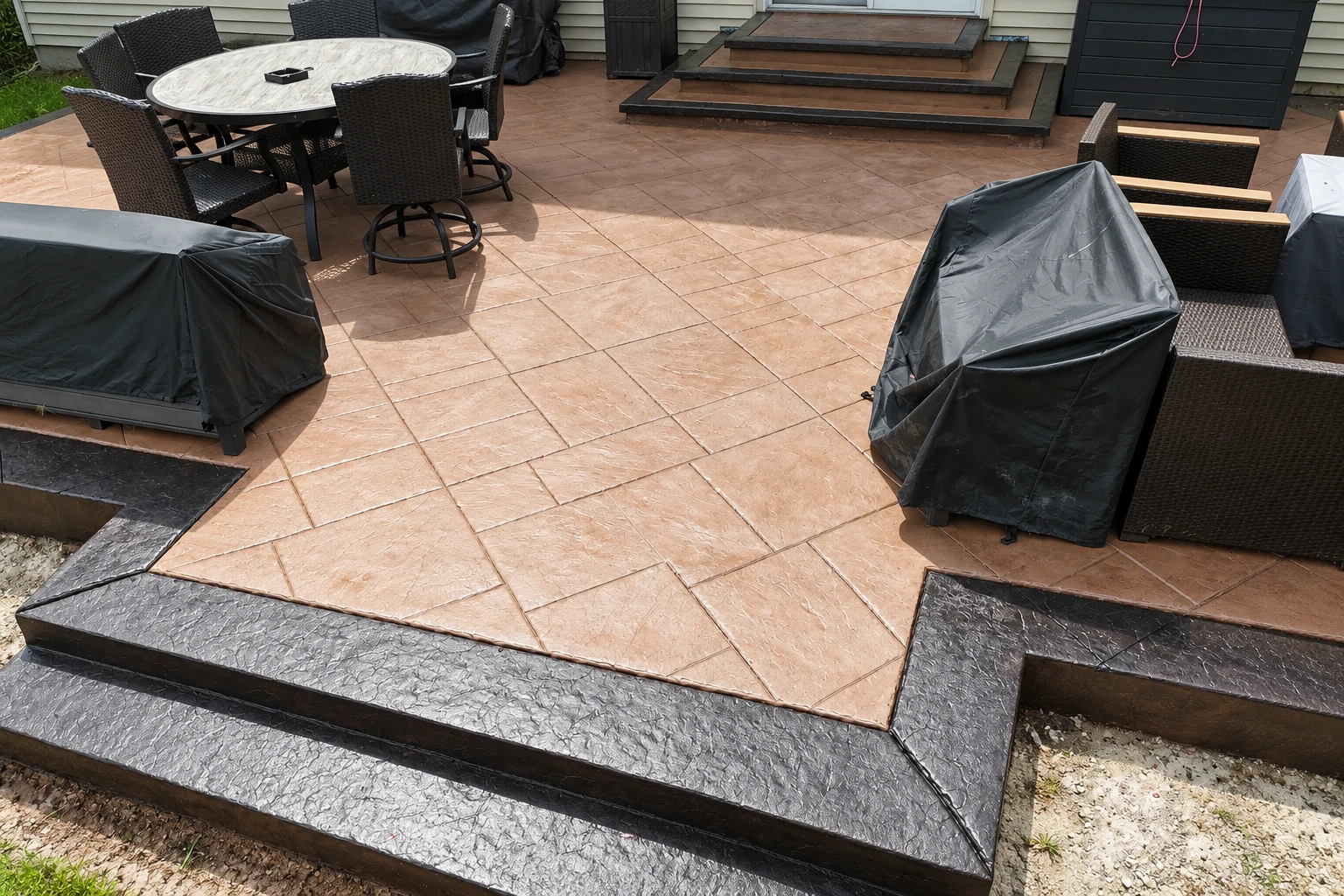
Slab foundation building in Sioux City means pouring a concrete slab on prepared ground and letting that slab be your house's foundation. Its job is even support and drainage underneath. When it goes wrong, it's usually settling or water, and both are hard to fix once the walls are up. So I care more about the ground nobody sees than the finish everybody does.
The price moves with the size of the house, how much digging, fill and packing the ground needs, and what goes under the slab. The schedule turns on the weather and on getting the plumbing and electrical underneath inspected first. I come out, measure and go over the job with you before I write up your number.
How we build a slab foundation
- Base dug out and packed. We dig out and pack the base instead of raking dirt level, because a slab settles with whatever's under it. It's the first budget cut people suggest and the last I'll take.
- Forms and rebar checked first. We set the forms square and level and place the rebar, the steel that holds a slab together, before the truck shows up. Framers notice a crooked slab fast.
- I run the crew on pour day. I come out to look at the job myself, and I'm on site running the crew when we pour. We've been in business since 2021, five years now.
- Licensed and insured for Iowa work. The state requires a contractor to be registered before doing any construction work in Iowa. We're fully licensed and insured, and happy to show you.
What goes wrong under a slab
| Problem | What it looks like | Usual fix |
|---|---|---|
| Water running at the house | What it looks like: Lot slopes toward the pad, puddles sitting where the slab goes | Usual fix: Shape the subgrade, the packed dirt underneath, to drain away |
| Cracks nobody planned | What it looks like: Cracks wandering across the floor instead of along straight lines | Usual fix: Control joints, cuts that pick where it cracks, made on time |
| Weak, dusty surface | What it looks like: Top powders or flakes under flooring, often after a midday-heat pour | Usual fix: Pour in cooler hours and let it cure |
| Damp floors | What it looks like: Musty smell, lifting flooring, damp spots coming up through the slab | Usual fix: A vapor retarder, the moisture barrier, laid under the slab |
Which slab fits your lot
- Frost-protected shallow slab. Insulation around the building warms the soil so the foundation can sit shallower. Builder guidance fits it to lots with low to moderate slopes, where one pour can save inspections and time.
- Slab on separate footings. We pour concrete footings first and the slab after, which suits steeper lots or plans that put heavier loads at the edges.
- Walls instead of a slab. If the lot drops off hard or you want a basement or crawlspace, a slab is the wrong answer and foundation installation is the better fit.
From first look to final walk-through
- First look. After you call or send the form, I come out, look at the ground, listen to what you want and measure. Then I leave you a written estimate.
- Permit and inspections. We check with the city or county office where the lot is, pull any permit the job needs and book the inspections ourselves.
- Pipes and wires first. Plumbing, electrical and their inspections get finished under the slab before the base goes down, because nobody wants to cut into a new floor.
- Pour and walk-through. Our crew preps the ground, pours and finishes the slab, then I walk the job with you before we call it done.
What keeps a slab sound for years
Most of what keeps a slab sound happens before the pour, but a couple of things are on you after. Give it time to cure, the slow hardening that makes concrete strong, before heavy loads go on, and keep the grade and downspouts sending water away from the house.
We're based in Sioux City and work across the cities around it, from South Sioux City to Le Mars. Most calls come from homeowners, with builders and small business owners mixed in, and a new building often needs a parking lot poured too. Call or use the form to ask for an estimate.
Tell us about your slab
Send your lot location, house size and planned start date. We reply within one business day and set a time for me to come out.
(712) 202-0664- Free written estimate on site
- No pressure, no obligation
- Measured and talked through with you
Slab foundation questions we hear
Do I need a permit for a slab foundation in Sioux City?
Plan on needing one. Woodbury County says it requires an approved permit before any type of construction, and inside the city, Sioux City's Inspections and Permit Services handles building, electrical, plumbing and mechanical permits. We check which office covers your lot and handle the permit from there.
When should a slab foundation go in so the house is closed in before winter?
Early enough to pour, close in and heat the house before freezing weather. Builder guidance on frost-protected foundations says the foundation should be done and the house enclosed and heated before the freeze. So I plan the start date with you, working back from winter instead of hoping it holds off.
How do I get a slab foundation with even support under the whole house?
Get the ground right before anything covers it. Slab guidance says any fill's history should be documented and soft or disturbed spots repaired first, and we dig those out rather than pour over them. Radon guidance also calls for clean, coarse gravel under the slab so soil gases, radon included, move freely instead of collecting.
Will my new house in Iowa need radon protection under the slab?
Likely, once Iowa's new rule takes effect. State law tells Iowa to add a code requirement for a passive radon mitigation method in new single- and two-family homes started after it's adopted. A state survey found Iowa has the largest share of homes above the EPA's radon action level, so that gravel layer earns its keep.